KUFUKU±
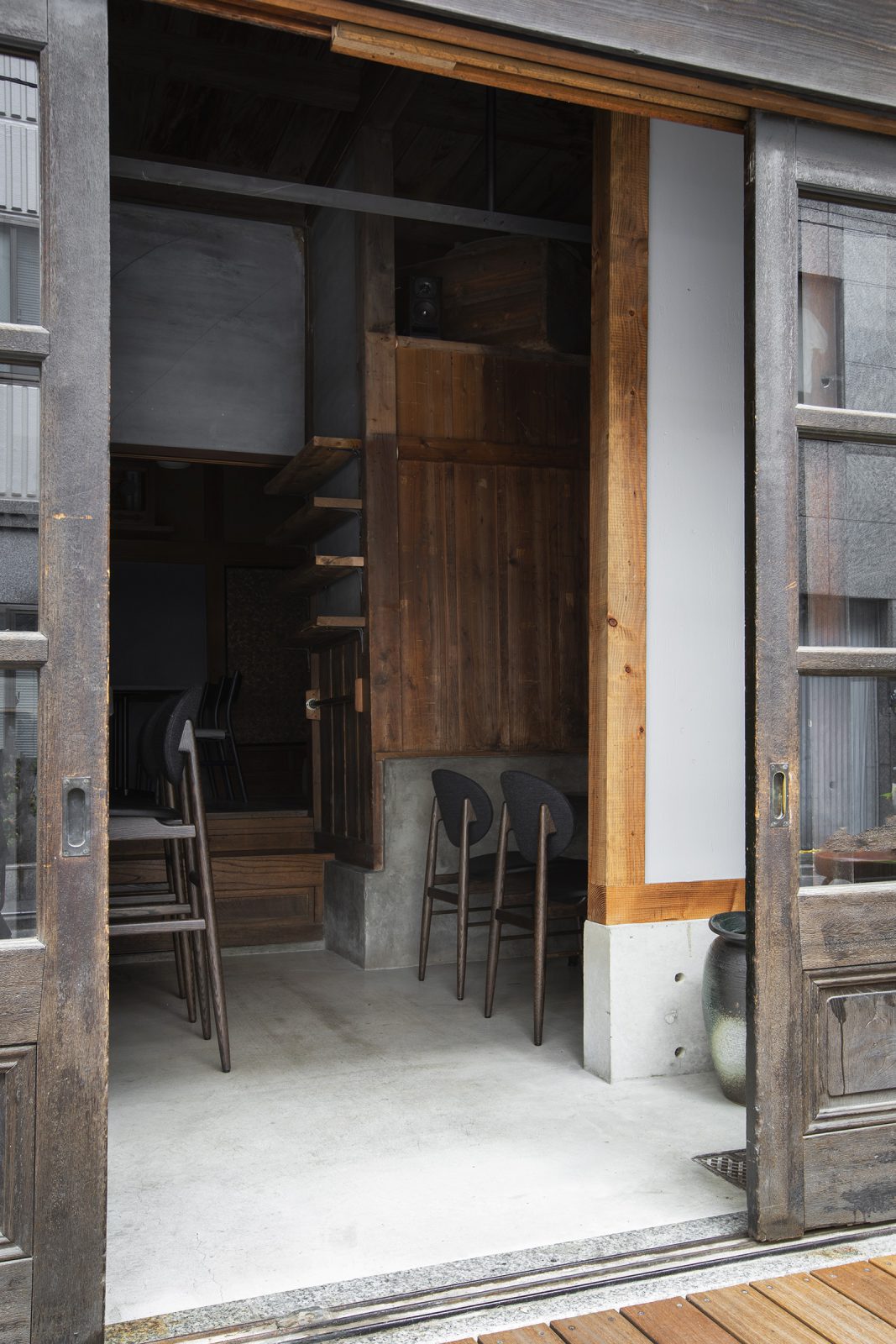
'The restaurant design focused on retaining as many elements and features of the existing Japanese house as possible.'
Site: Tokyo
Architect: Keiji Ashizawa Design / ship architecture
Project architect: Keiji Ashizawa / Toshiya Nakamura / Ai Fujii
Construction: FineArts Inc.
Furniture: ARIAKE
Photo: Jonas Bjerre-Poulse
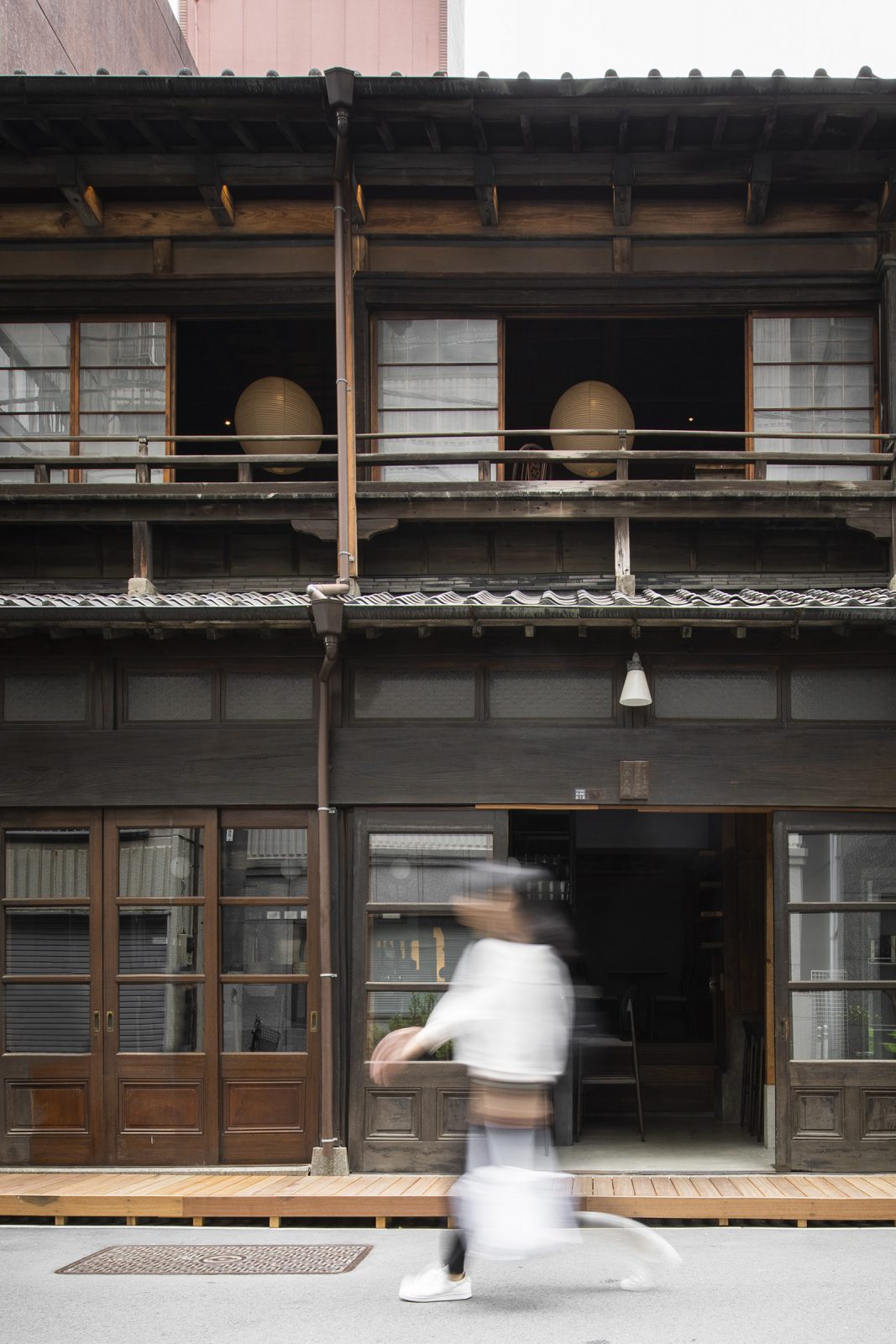
KUFUKU± is located in an old Japanese-style townhouse built in the early Showa period, which is rare in the city centre of Akihabara. The owners, a couple, who run several restaurants, admired the atmosphere of the old townhouse and decided to bring in a new chef to create a restaurant offering a fusion of French and Japanese cuisine.
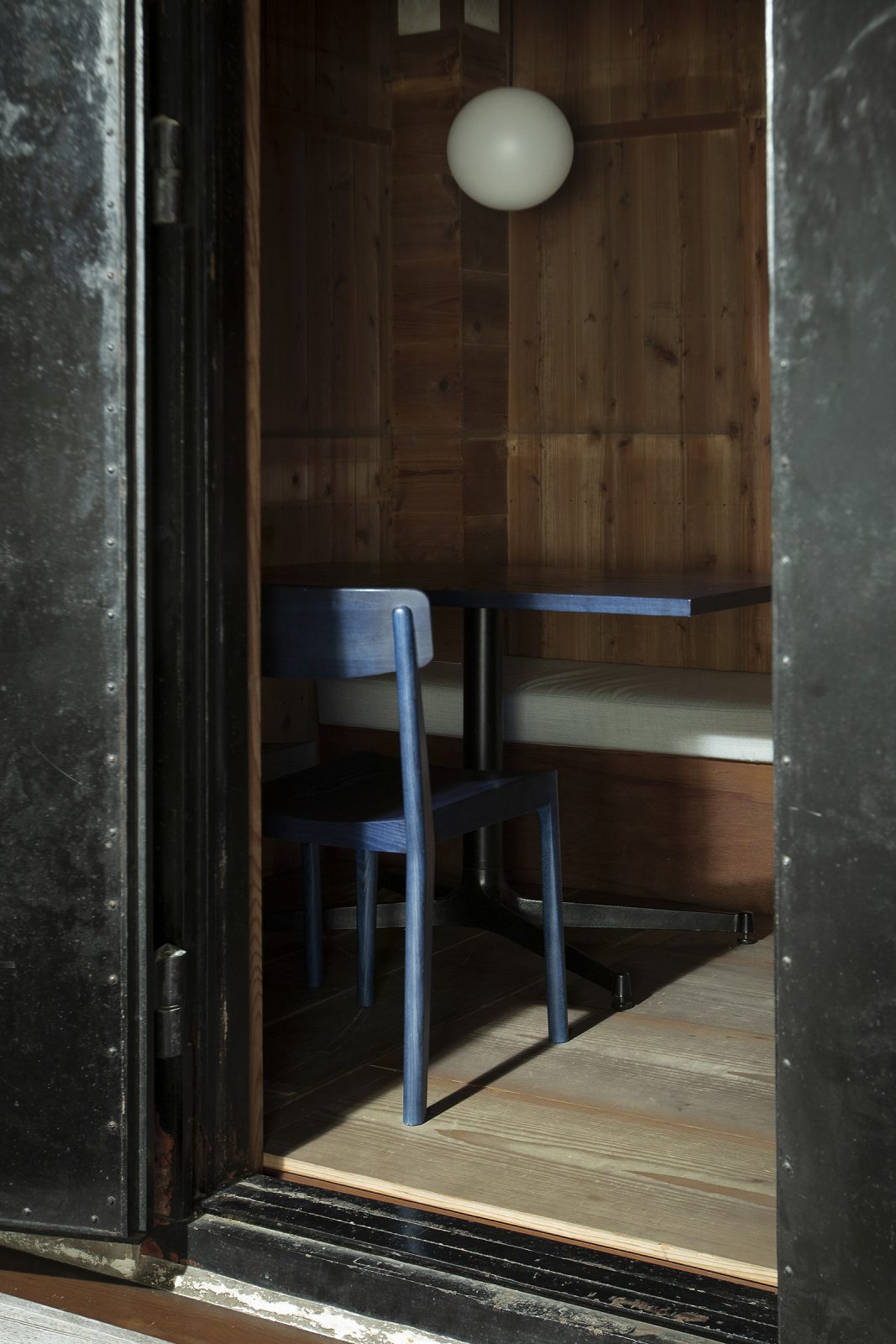
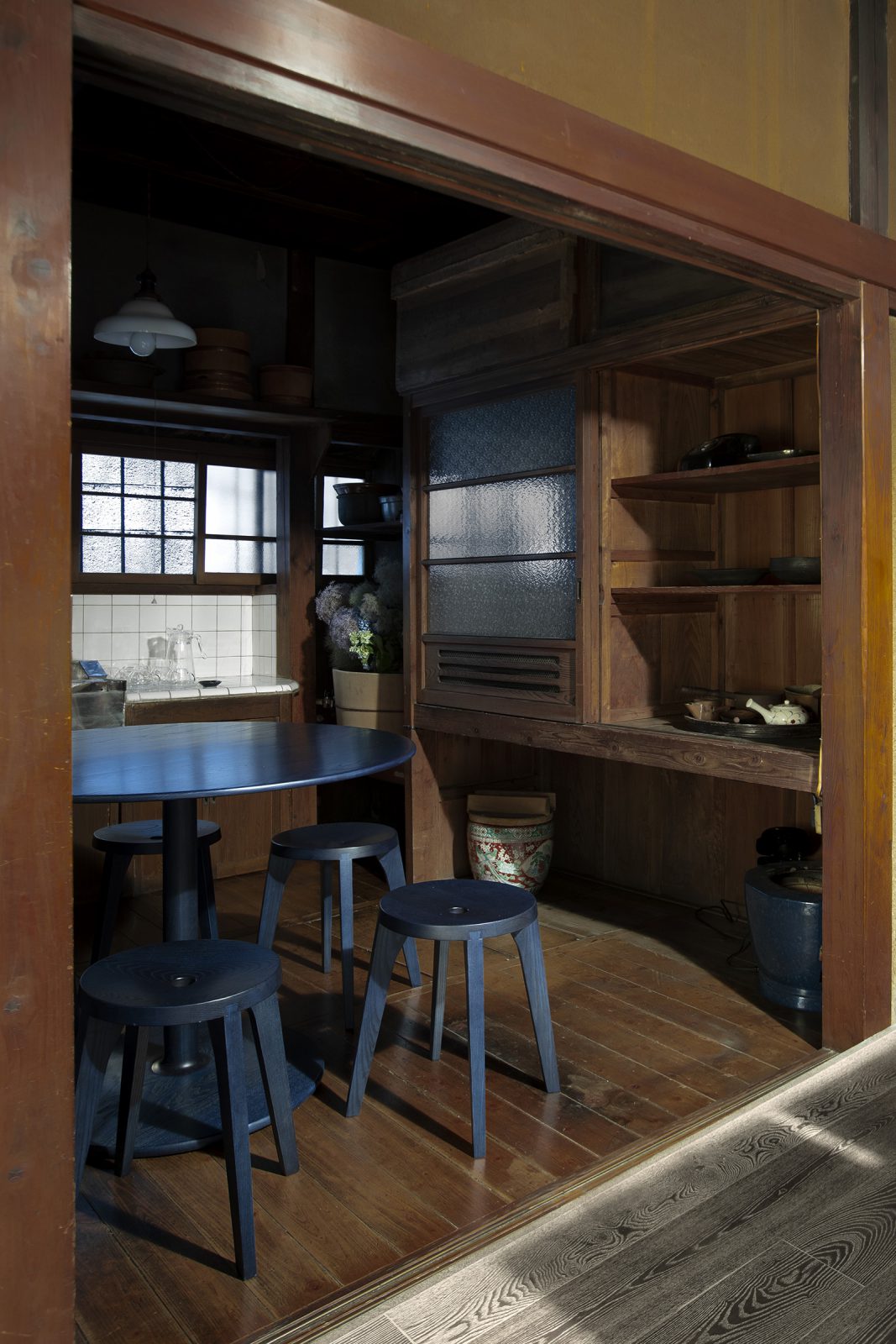
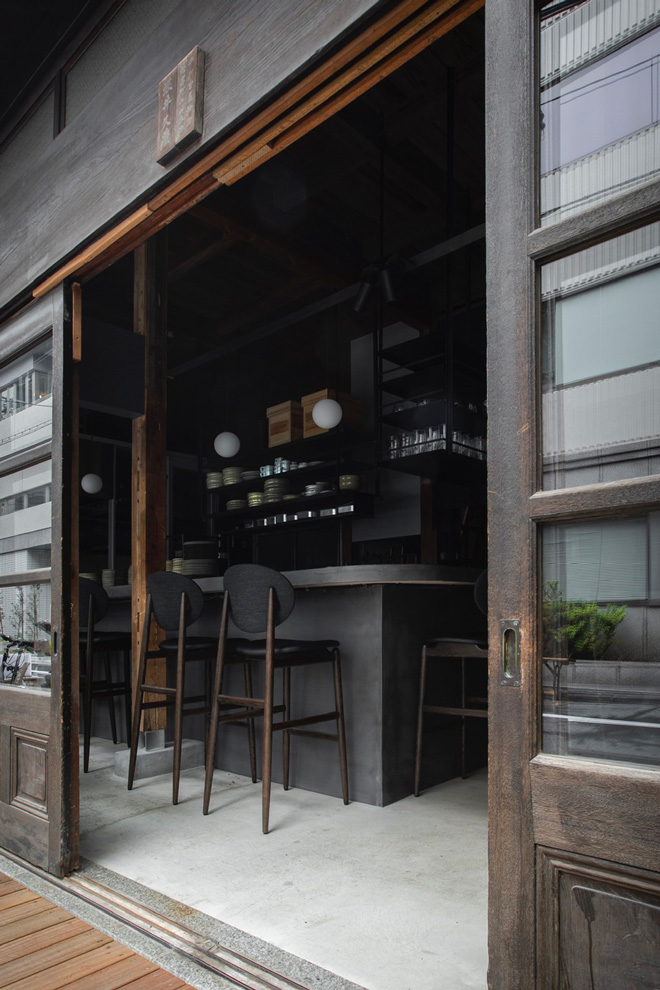
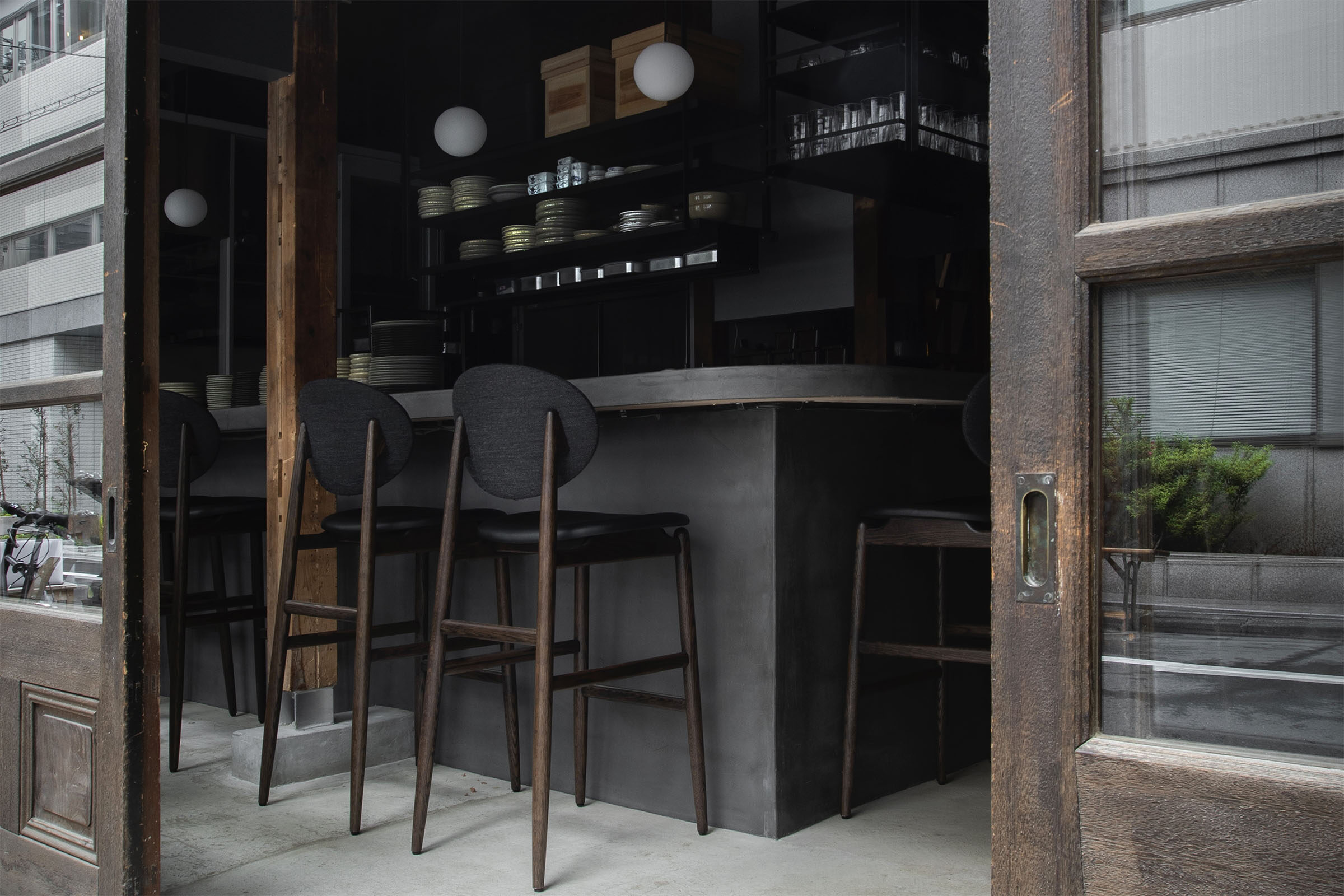
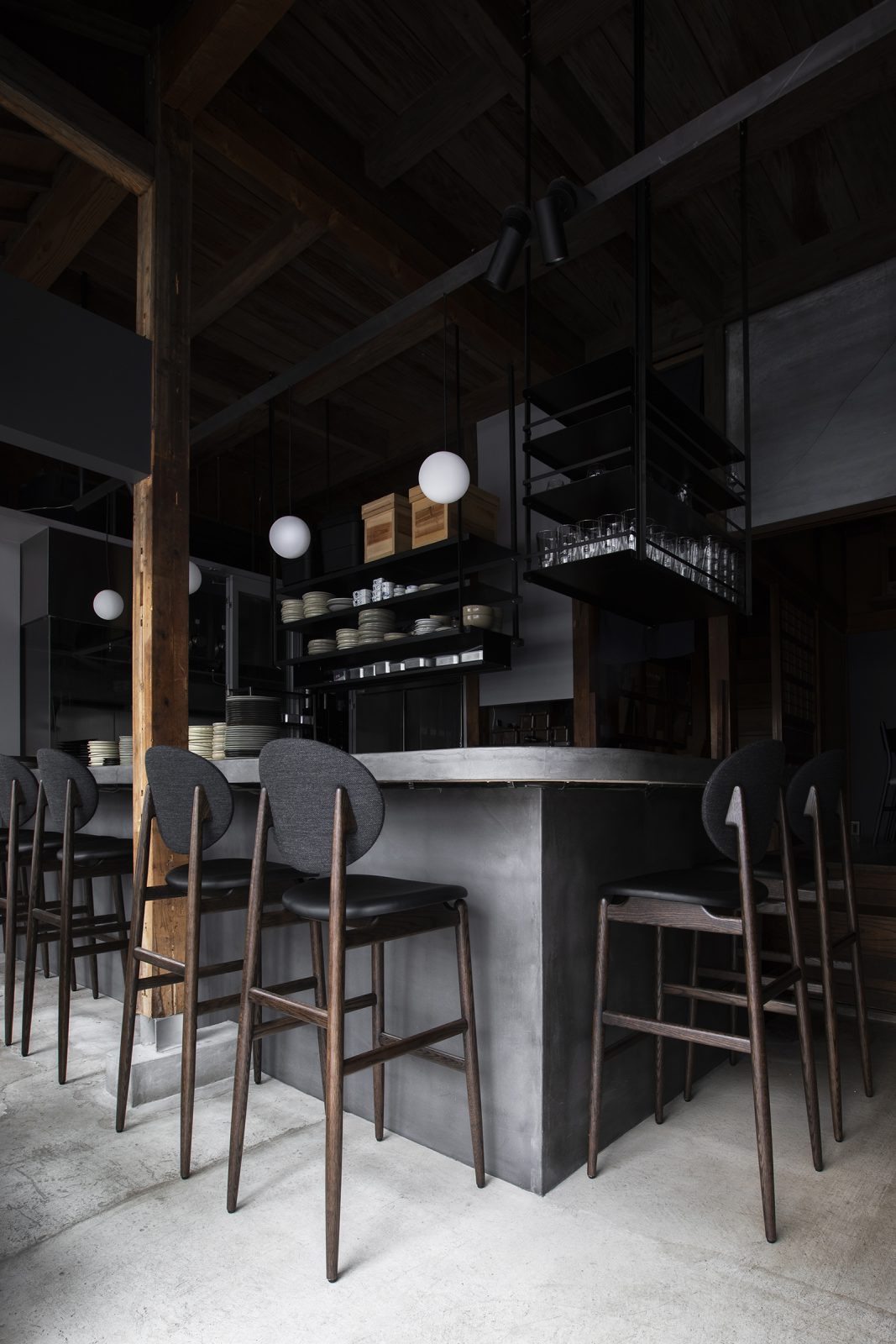
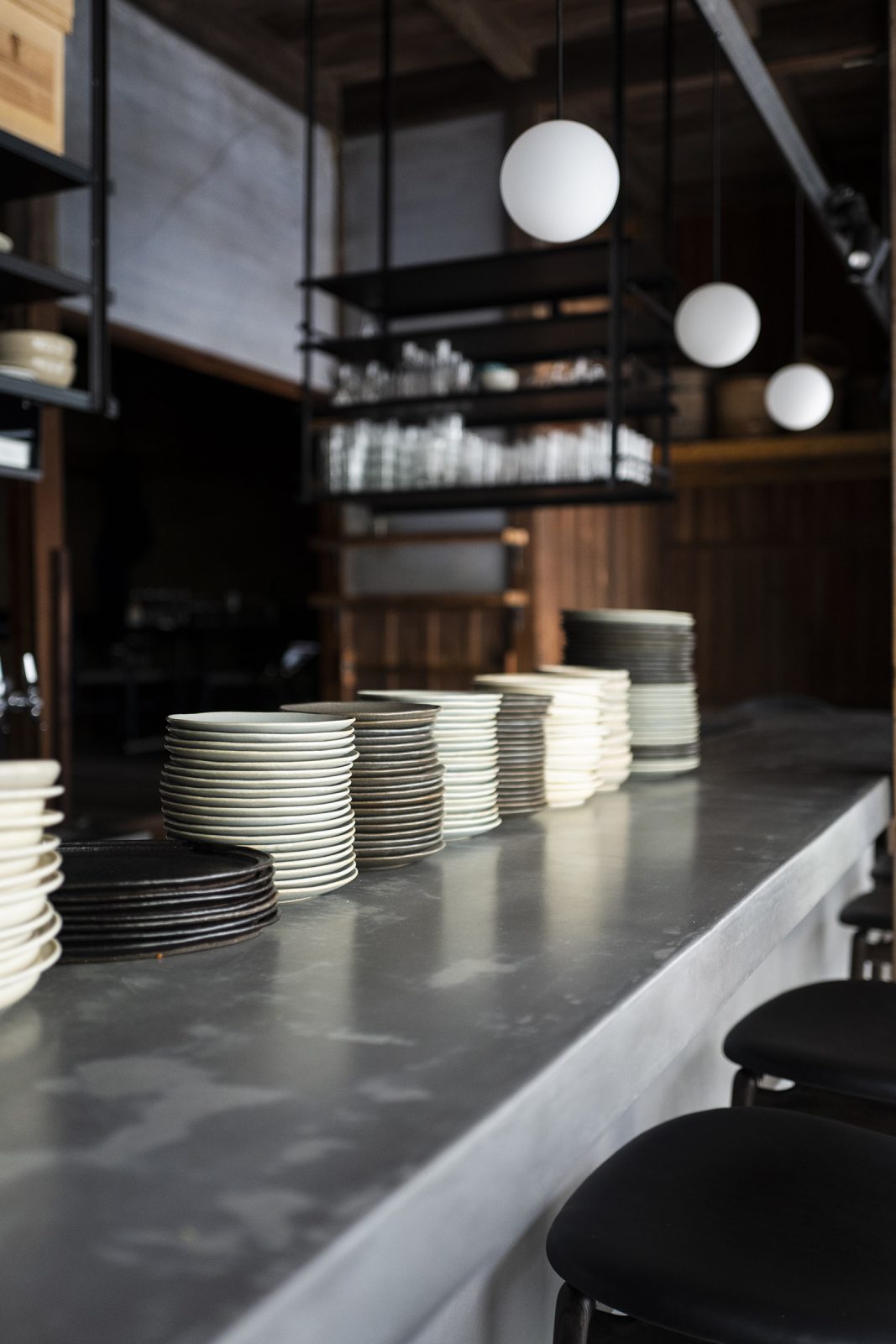
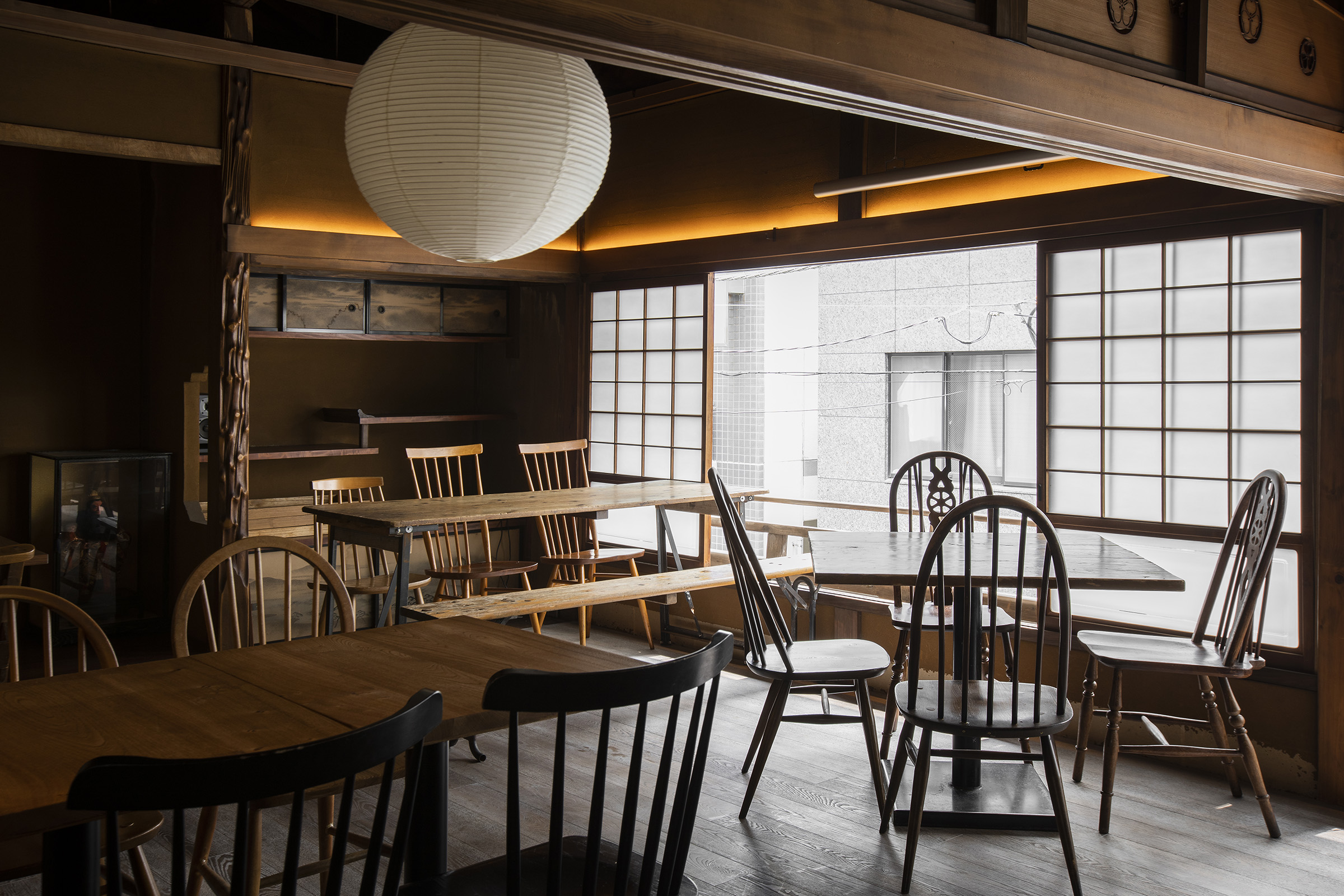
When redesigning the interior, we began by surveying the building and decided to utilise the existing space as much as possible, except for the earthen floor space where the bar counter and kitchen would be located. For example, we built a seating area in the original warehouse section and added air conditioning to create a wine cellar. The kitchen area was left as it was, and the earthen floor space was transformed into a large room with structural reinforcement with the help of a structural engineer.
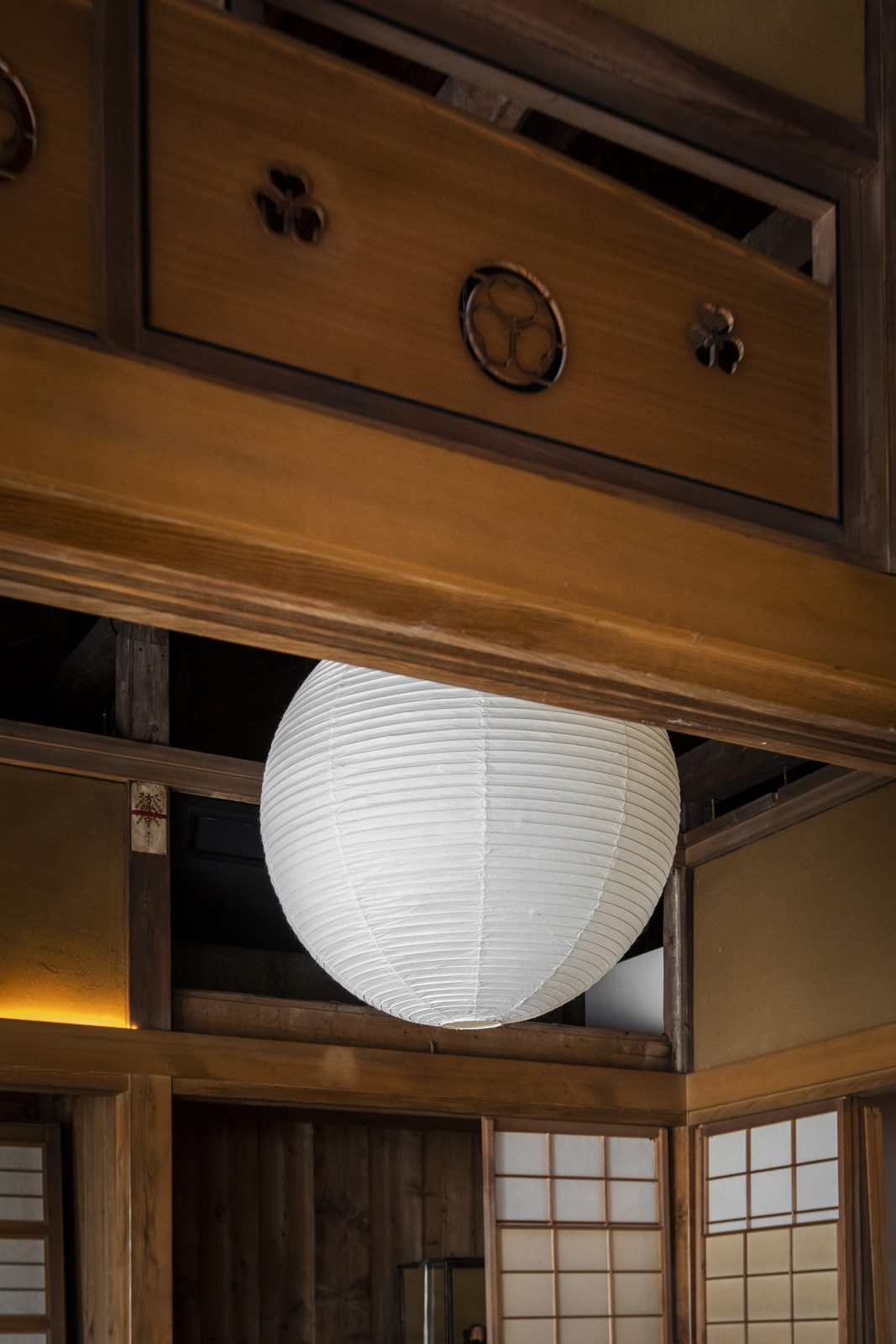
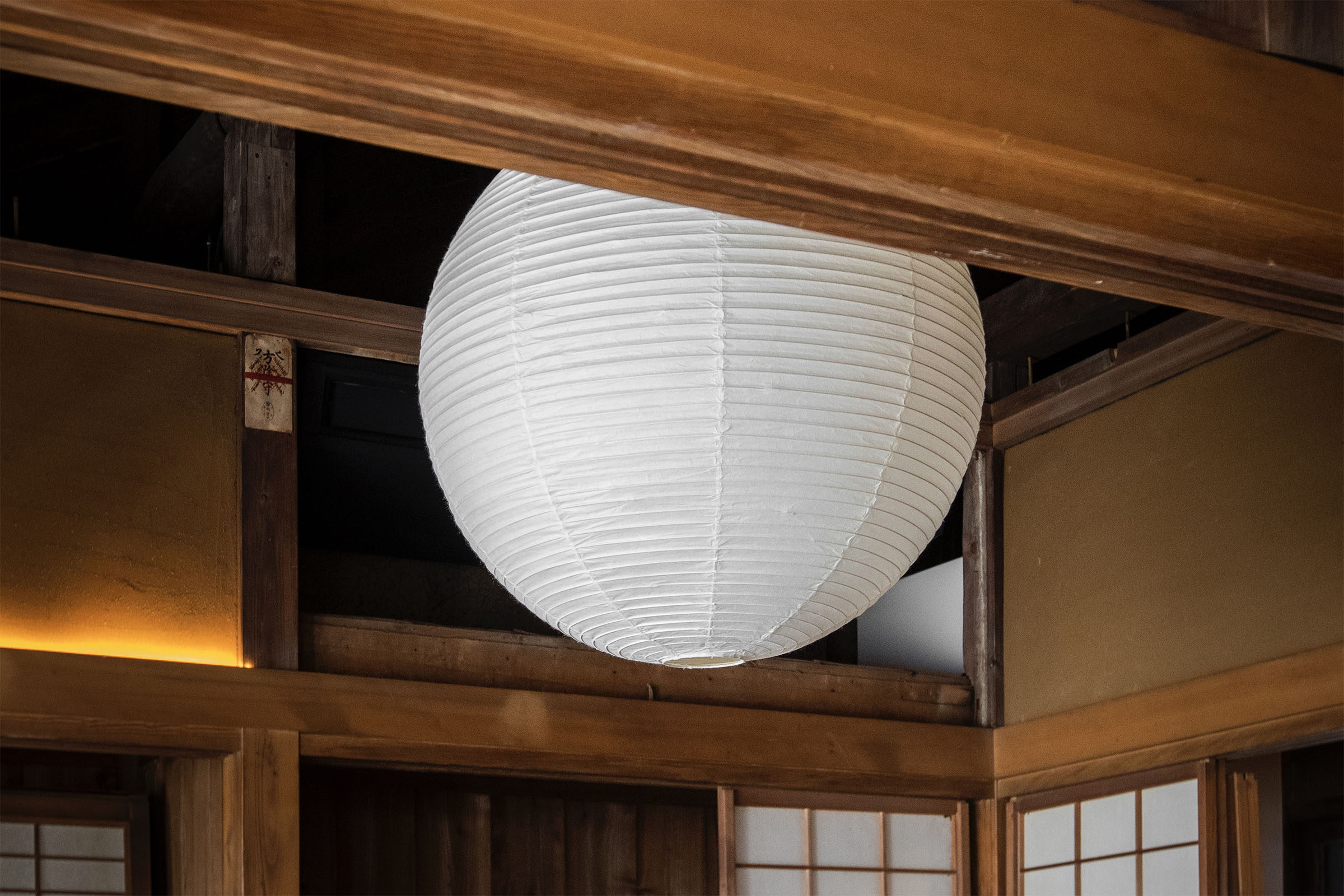
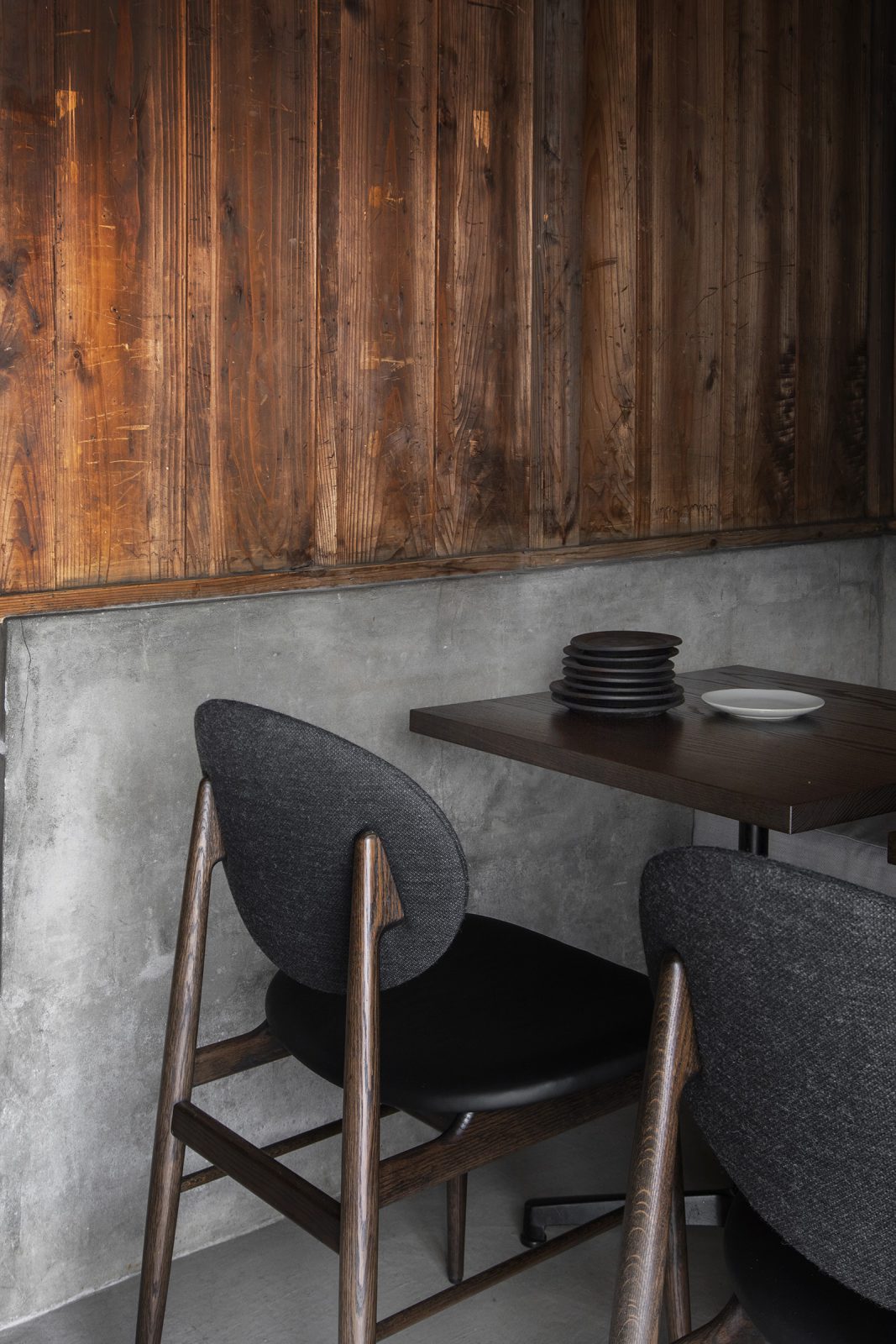
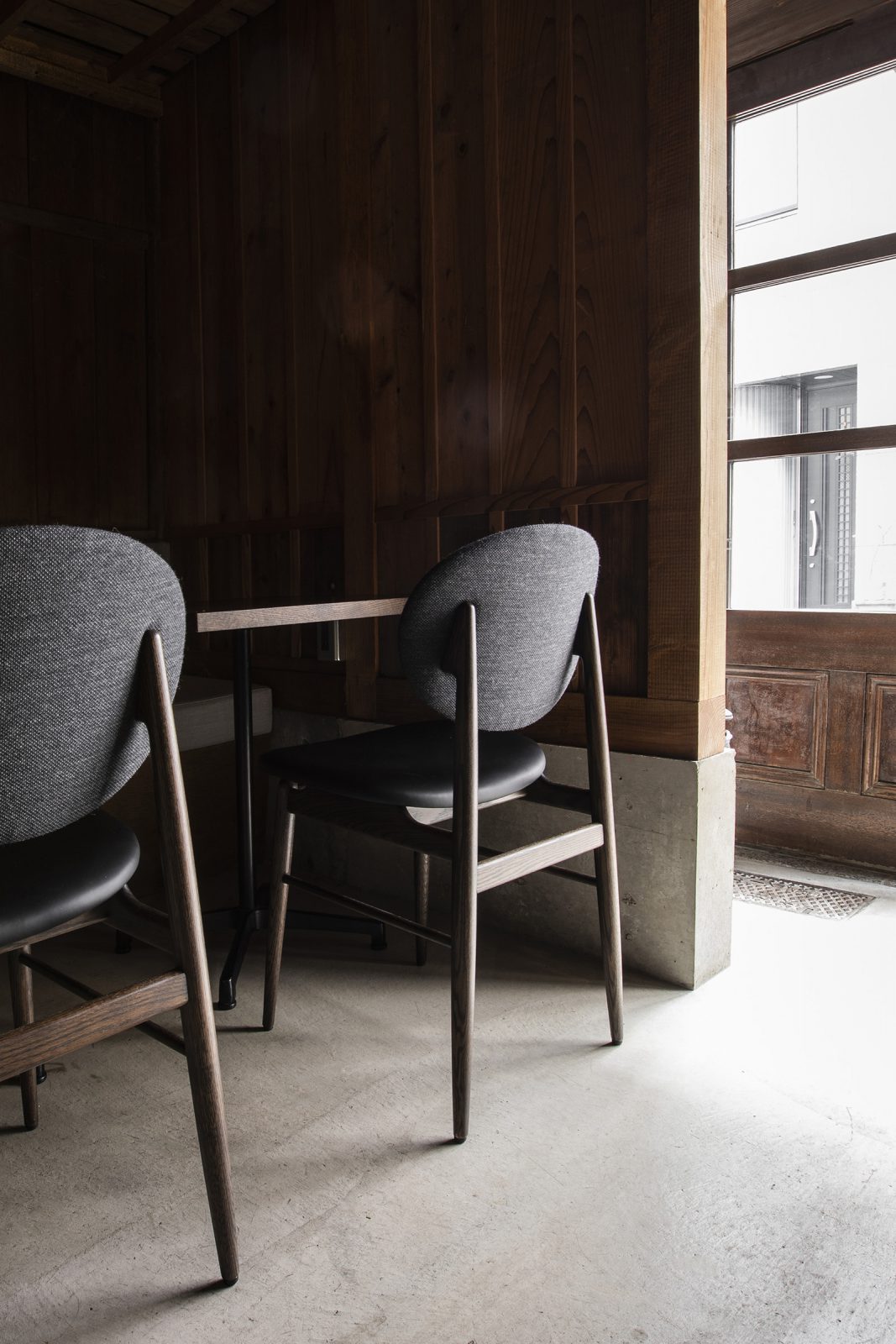
In creating a minimalist interior, we considered the relationship between the existing materials and textures and the newly added elements. Steelwork makes up the majority of the interior, which accentuates the beauty of the materials and design of the original building and unifies all aspects of the space. The large Isamu Noguchi light fittings create a contemporary atmosphere while at the same time harmonising with the architecture of the building. The restaurant is also furnished by Ariake, a furniture brand from Saga Prefecture, and the client's antique furniture, which is as nostalgic and modern as the food and wine they serve.
Although KUFUKU± is already becoming a restaurant where it is difficult to get a reservation, it is also playing its part in showing many people what an old townhouse in the heart of the city has to offer. Even if you cannot get a reservation, you can still visit. Of course, it is highly recommended to have lunch or dinner there and spend time reflecting on the lives of the people who once lived in the building and the richness of machiya architecture.